
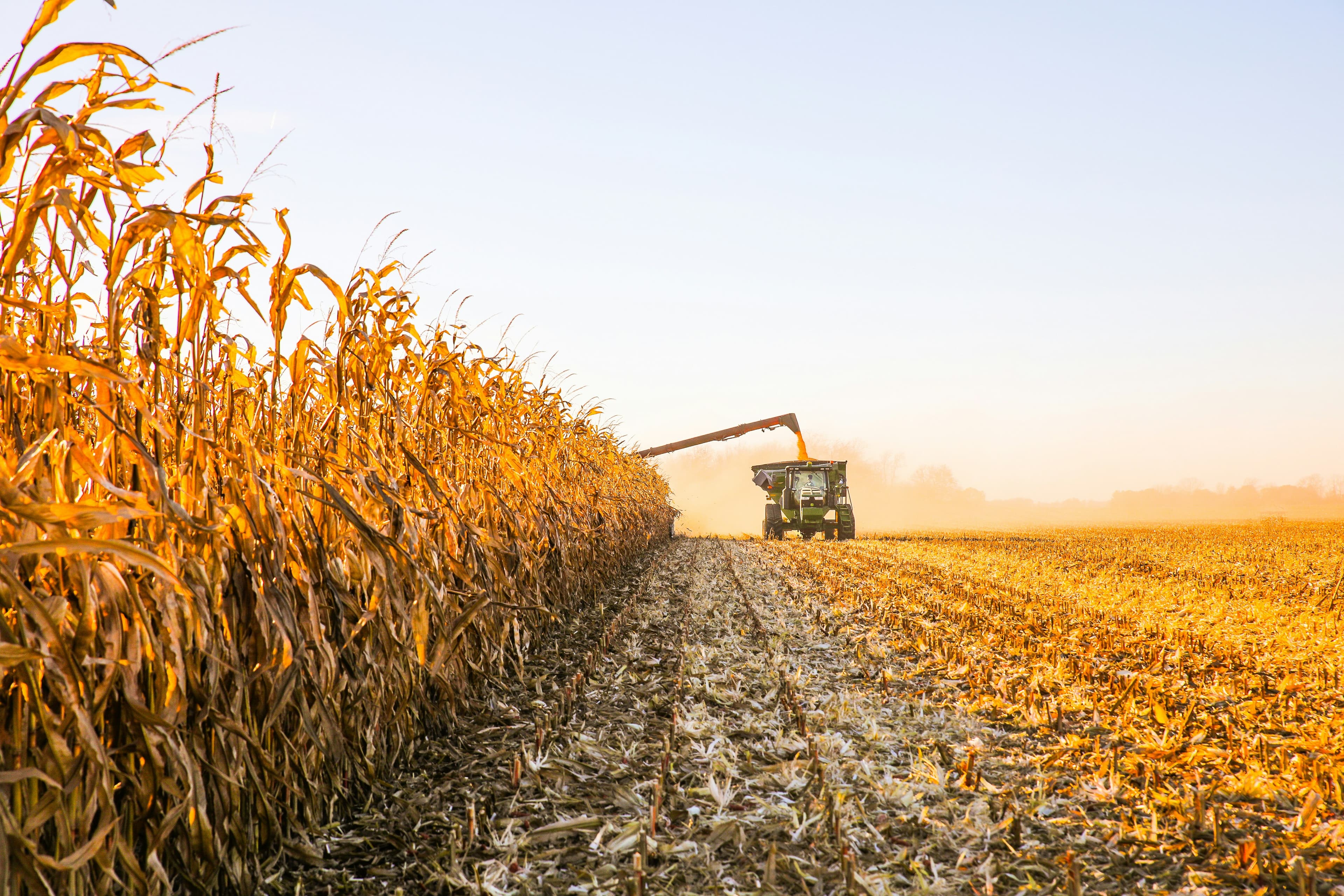
Healthy soil is one of the most important factors in successful agriculture. While fertilizers help support plant growth, long-term productivity depends heavily on the condition of the soil itself. Soil provides plants with nutrients, water, oxygen, and a stable environment for root development. Farmers who focus on maintaining soil health often achieve better yields, stronger crops, and more sustainable farming systems.
Understanding Soil Structure Soil is not simply dirt. It is a complex ecosystem made of minerals, organic matter, microorganisms, and water. Healthy soil typically contains: balanced organic matter active microbial life good water retention stable soil structure When these elements work together, plants can absorb nutrients more efficiently and develop stronger root systems.
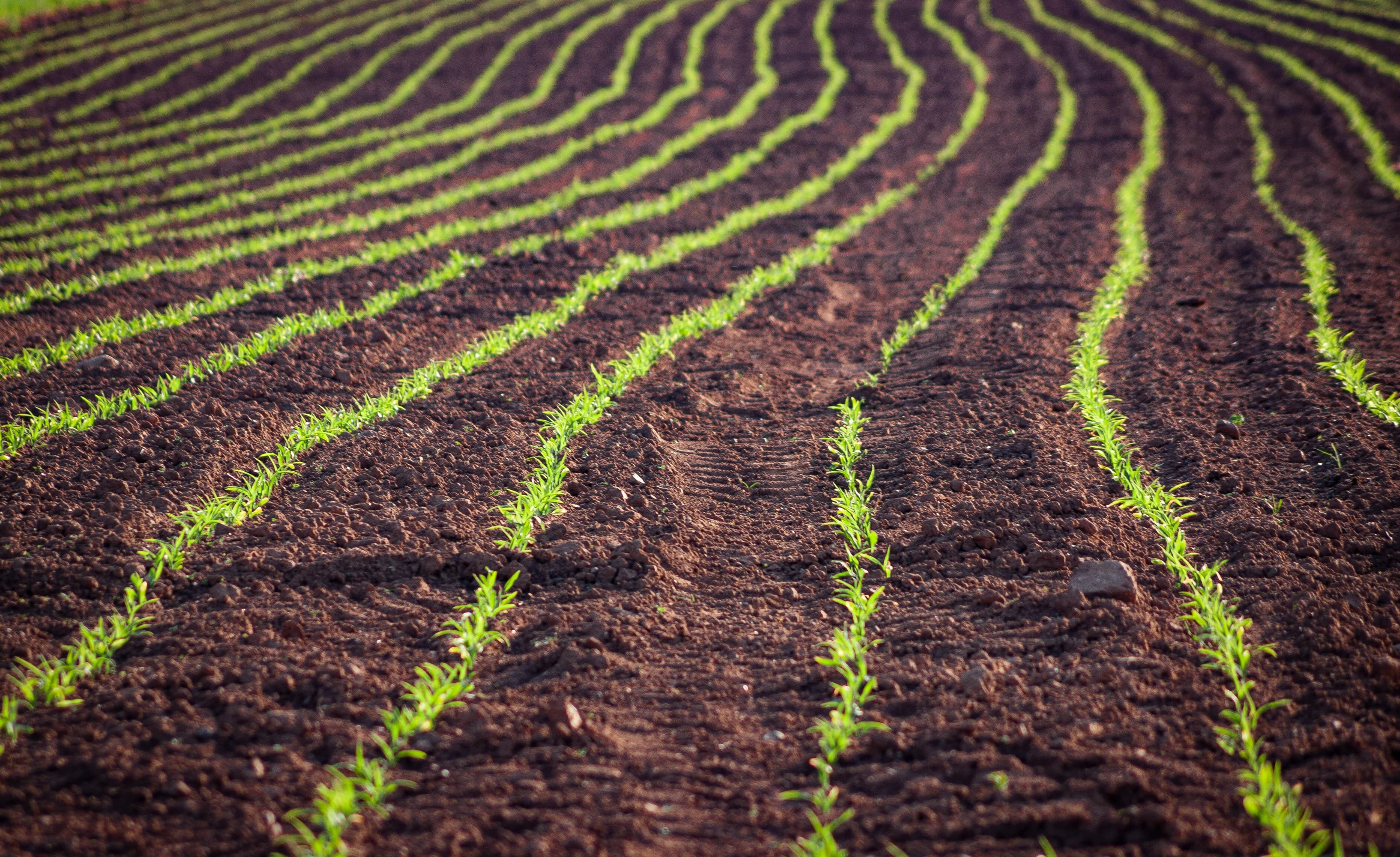
The Role of Soil Biology Soil contains billions of microorganisms that play a key role in plant nutrition.
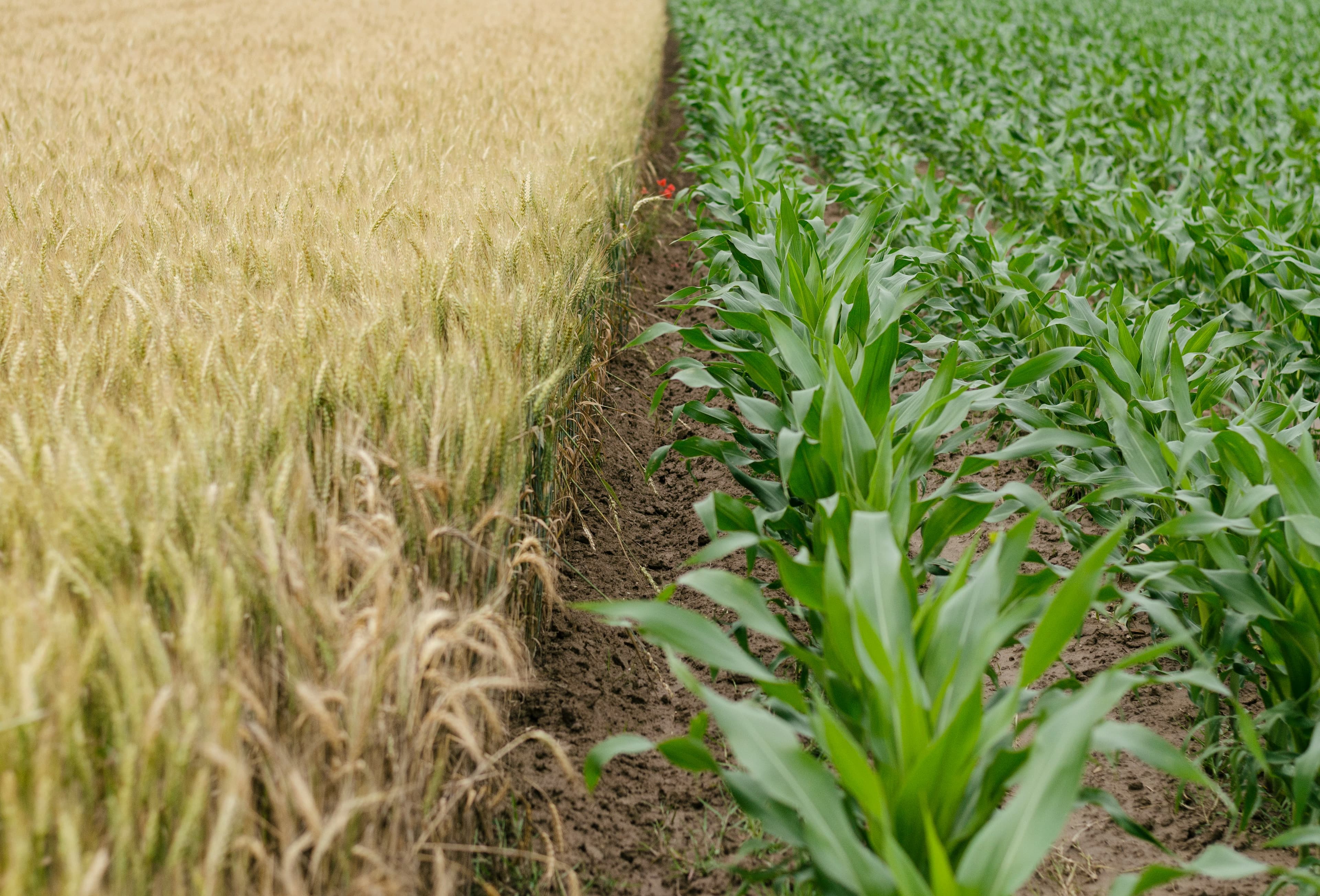
These microorganisms help break down organic matter and convert nutrients into forms that plants can absorb. Active soil biology helps support: nutrient cycling root development soil fertility Maintaining biological activity in the soil contributes to healthier crops and more resilient farming systems.
Supporting Soil Health Farmers can support soil health through several practices, including: improving soil organic matter maintaining balanced crop nutrition avoiding excessive chemical inputs supporting root zone activity Products designed to support soil conditions help farmers maintain productive land over the long term.
When soil health is maintained, farmers often experience: stronger plant development better water retention improved nutrient efficiency more resilient crops These benefits contribute to sustainable agricultural systems that remain productive year after year.
Tags
Need tailored guidance?
Speak with the Amazing Green team for crop-specific recommendations and partnership support.
Contact Us