

Soil fertility is one of the most important factors influencing agricultural productivity. Fertile soil contains the nutrients and biological activity necessary for plant growth. When soil nutrients are available and balanced, crops are able to grow efficiently and maintain stable development. Understanding soil fertility helps farmers manage their land more effectively and improve crop productivity.
Nutrient Availability in Soil Plants absorb nutrients through their root systems. These nutrients must be present in the soil in forms that plants can absorb. Soil microorganisms often help convert nutrients into forms that plants can use. Nutrient availability supports:
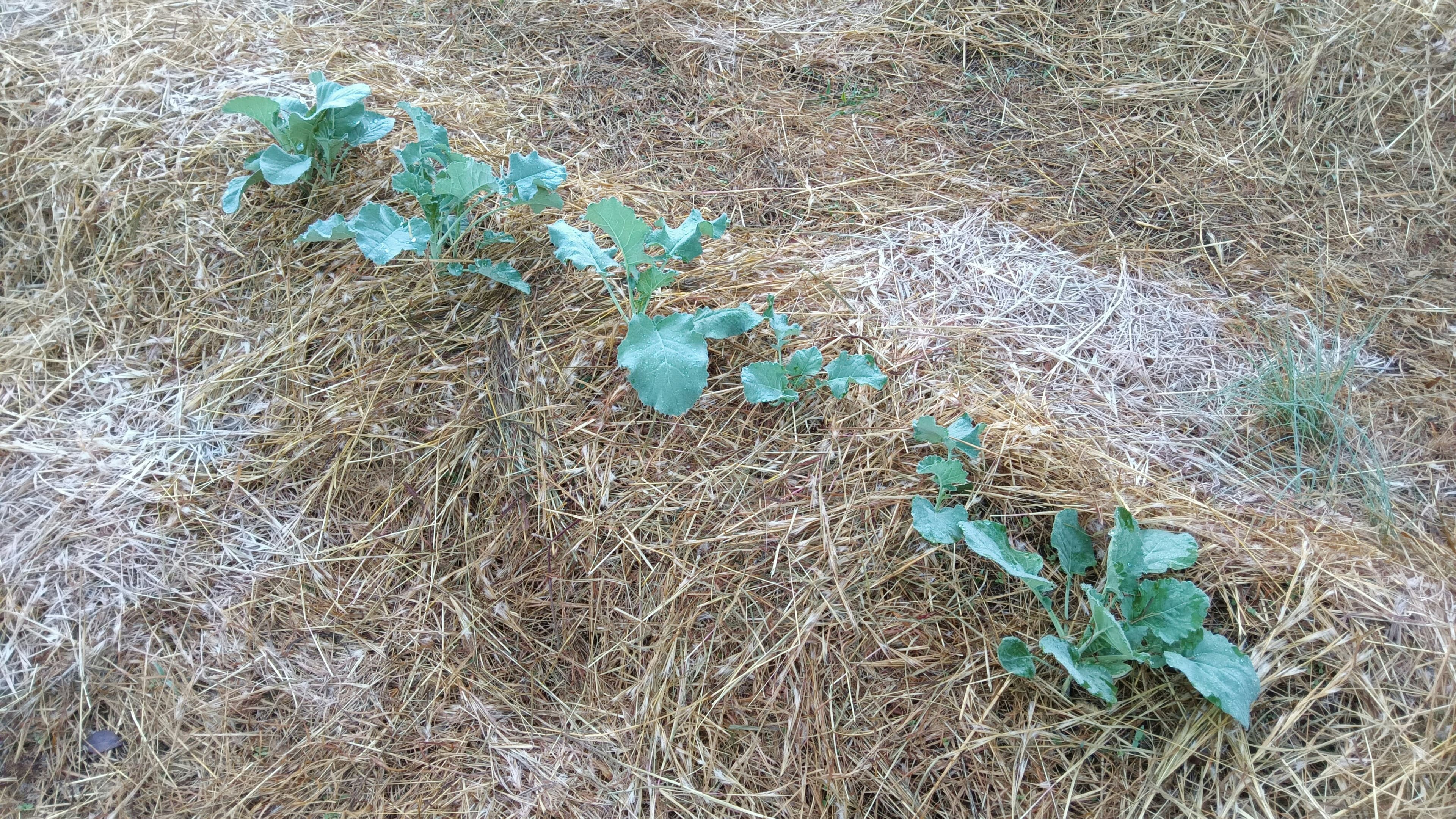
plant growth leaf development root expansion crop productivity Balanced soil conditions help maintain nutrient availability throughout the growing season.

Organic Matter and Soil Fertility Organic matter plays a key role in soil fertility. Organic material helps improve soil structure and supports biological activity in the soil. When organic matter levels are balanced, soil can retain nutrients and water more efficiently. Supporting soil organic matter helps farmers maintain long-term soil productivity.
Maintaining Soil Nutrient Balance Farmers often maintain soil fertility by monitoring nutrient levels and supporting soil health. Balanced nutrient management helps prevent deficiencies and maintain stable crop growth. Maintaining soil nutrient balance helps support:
healthy plant development efficient nutrient absorption long-term soil productivity Healthy soils contribute to stronger crops and more reliable harvests.
Tags
Need tailored guidance?
Speak with the Amazing Green team for crop-specific recommendations and partnership support.
Contact Us