

Healthy soil is the foundation of successful agriculture. While many farmers focus primarily on plant nutrition, the condition of the soil itself plays an equally important role in crop performance. Soil structure, biological activity, and nutrient balance directly affect how well plants grow and develop. Soil conditioning focuses on improving the root zone environment so plants can absorb nutrients and water more efficiently.
Understanding the Root Zone The root zone is the area of soil surrounding plant roots where nutrient and water absorption takes place. Healthy root zones support: strong root growth nutrient availability soil biological activity balanced soil structure
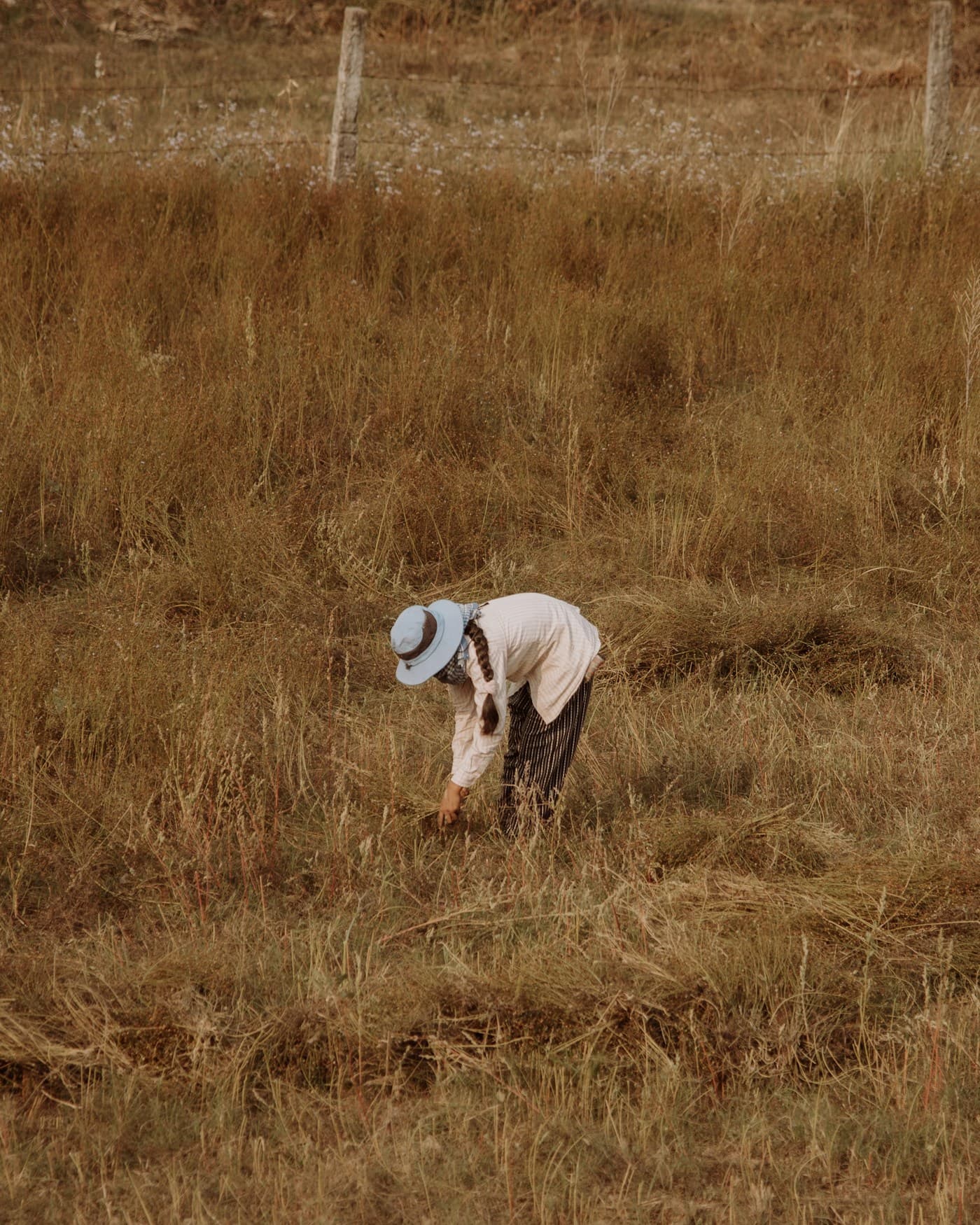
When soil conditions are poor, roots may struggle to develop properly, which can limit plant growth and reduce crop productivity.
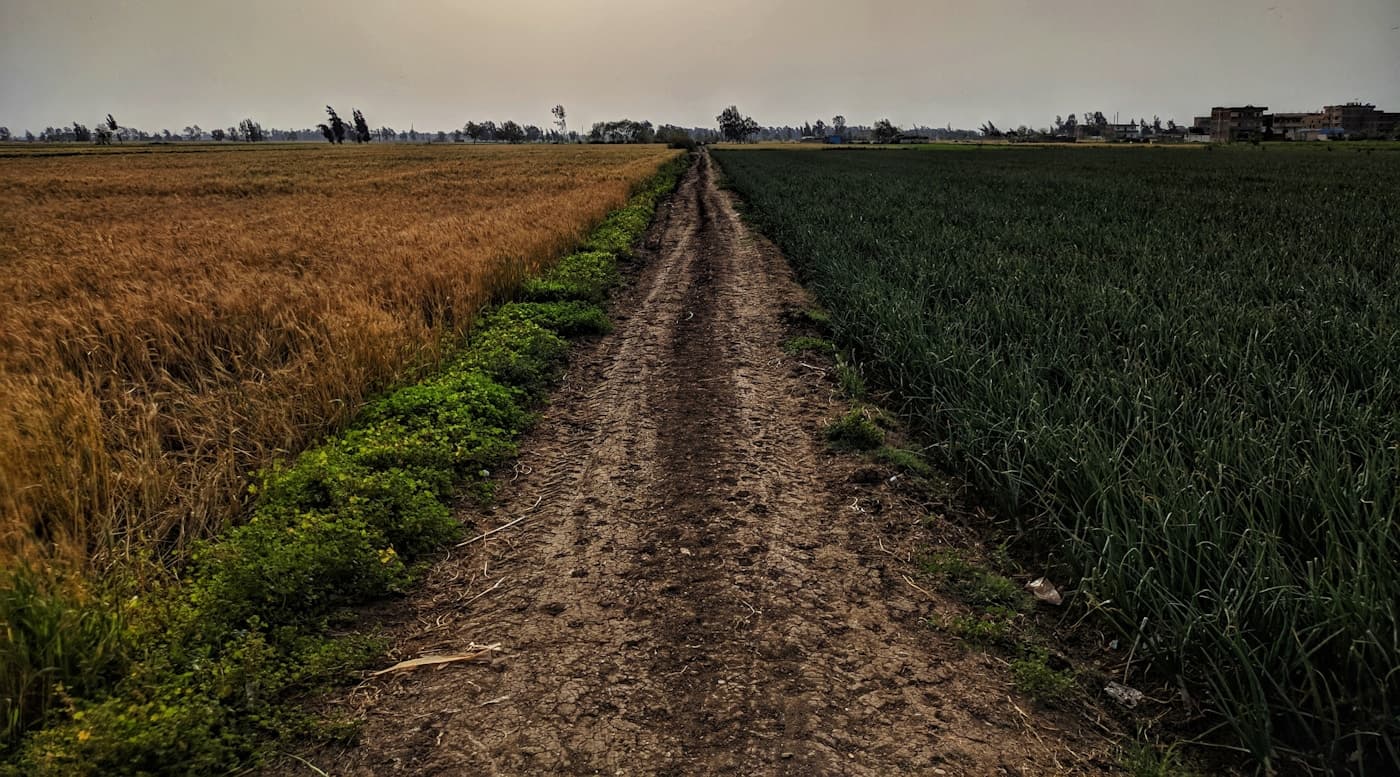
Improving Soil Structure Soil structure refers to how soil particles are arranged and how well air and water move through the soil. Good soil structure allows: oxygen to reach plant roots water to move through the soil evenly microorganisms to remain active Poor soil structure can lead to compacted soil, poor drainage, and weak root development.
Supporting Soil Biology Soil contains a complex ecosystem of microorganisms that support plant growth. These microorganisms help break down organic matter and convert nutrients into forms that plants can absorb. Supporting soil biology helps maintain:
nutrient cycling soil fertility root development Healthy soil ecosystems create the conditions for long-term agricultural productivity.
Tags
Need tailored guidance?
Speak with the Amazing Green team for crop-specific recommendations and partnership support.
Contact Us