
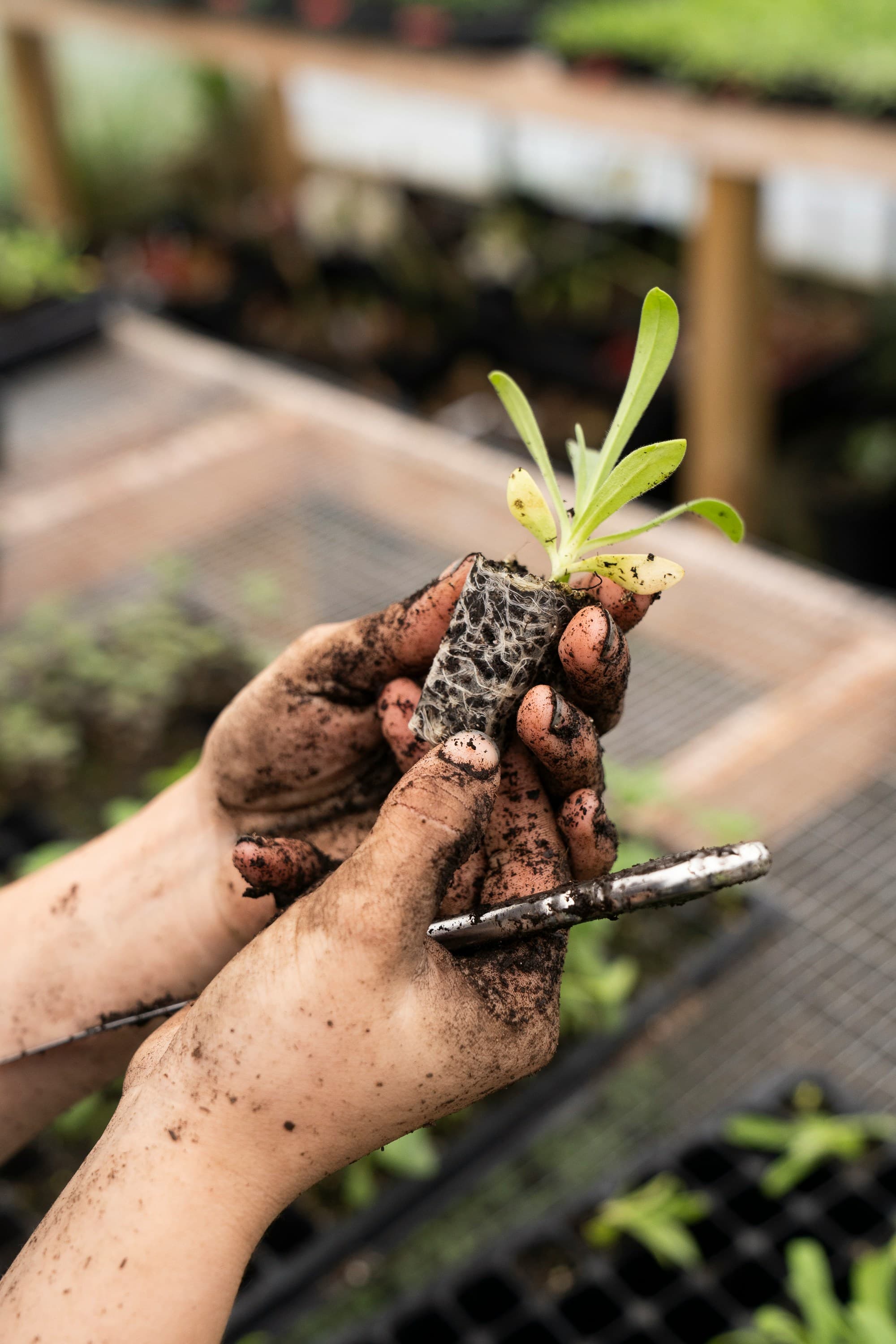
The root zone is one of the most important areas of the plant environment. It is the part of the soil where plant roots grow and where nutrients and water are absorbed. When the root zone is healthy, plants are able to grow more efficiently and maintain strong development throughout the growing season. Supporting root zone conditions helps farmers maintain crop productivity and long-term soil health.
Understanding the Root Zone The root zone includes the area of soil directly surrounding plant roots. This zone contains the nutrients, water, oxygen, and microorganisms that support plant development. Healthy root zones allow plants to:

absorb nutrients effectively maintain stable growth access water efficiently develop strong root systems When root zone conditions decline, plant growth may become limited.

Soil Conditions and Root Development Several factors influence root zone health. These include: soil structure water availability nutrient balance biological activity in the soil When these conditions are balanced, roots can grow deeper and absorb nutrients more effectively. Supporting root development improves overall crop performance.
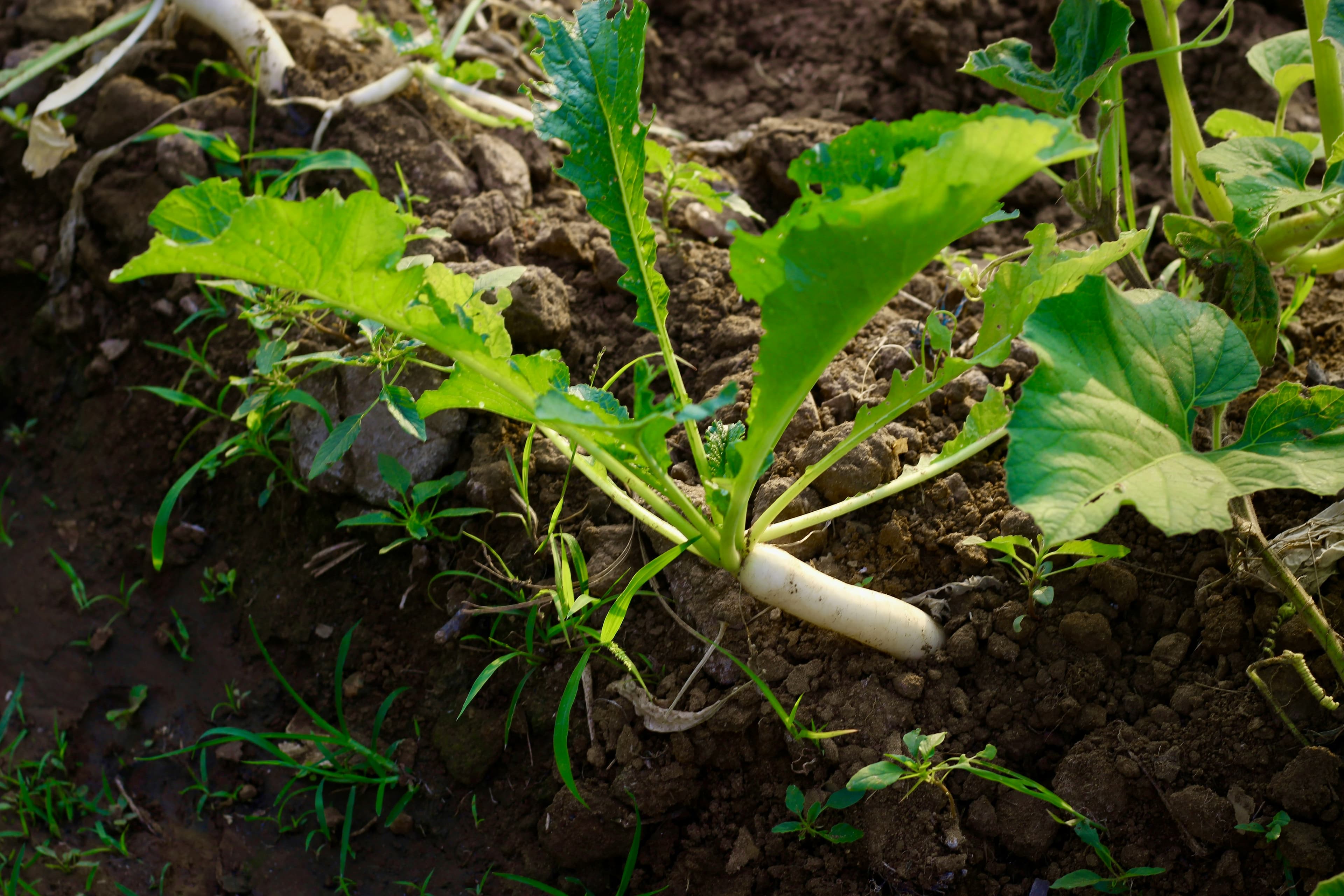
Soil microorganisms play an important role in supporting root zone health. These microorganisms help convert nutrients into forms that plants can absorb. Active soil biology contributes to: nutrient cycling soil fertility plant health Supporting biological activity in the soil helps maintain productive farming systems.
Root Zone Management for Farmers Farmers can support root zone health through several agricultural practices. These include: maintaining balanced soil conditions supporting soil biological activity avoiding excessive soil compaction monitoring soil moisture levels Improving root zone environments helps crops grow stronger and maintain consistent yields.
Tags
Need tailored guidance?
Speak with the Amazing Green team for crop-specific recommendations and partnership support.
Contact Us