

Plants constantly face environmental challenges during their growth cycle. Weather conditions, soil imbalances, pests, and farming practices can all create stress for crops. When plants experience stress, their growth slows and their ability to produce high yields may decline. Understanding plant stress and supporting crop resilience helps farmers maintain consistent production.
Common Sources of Plant Stress Several factors can create stress conditions for crops. These include: drought and water shortages extreme temperatures poor soil conditions nutrient imbalances transplant shock
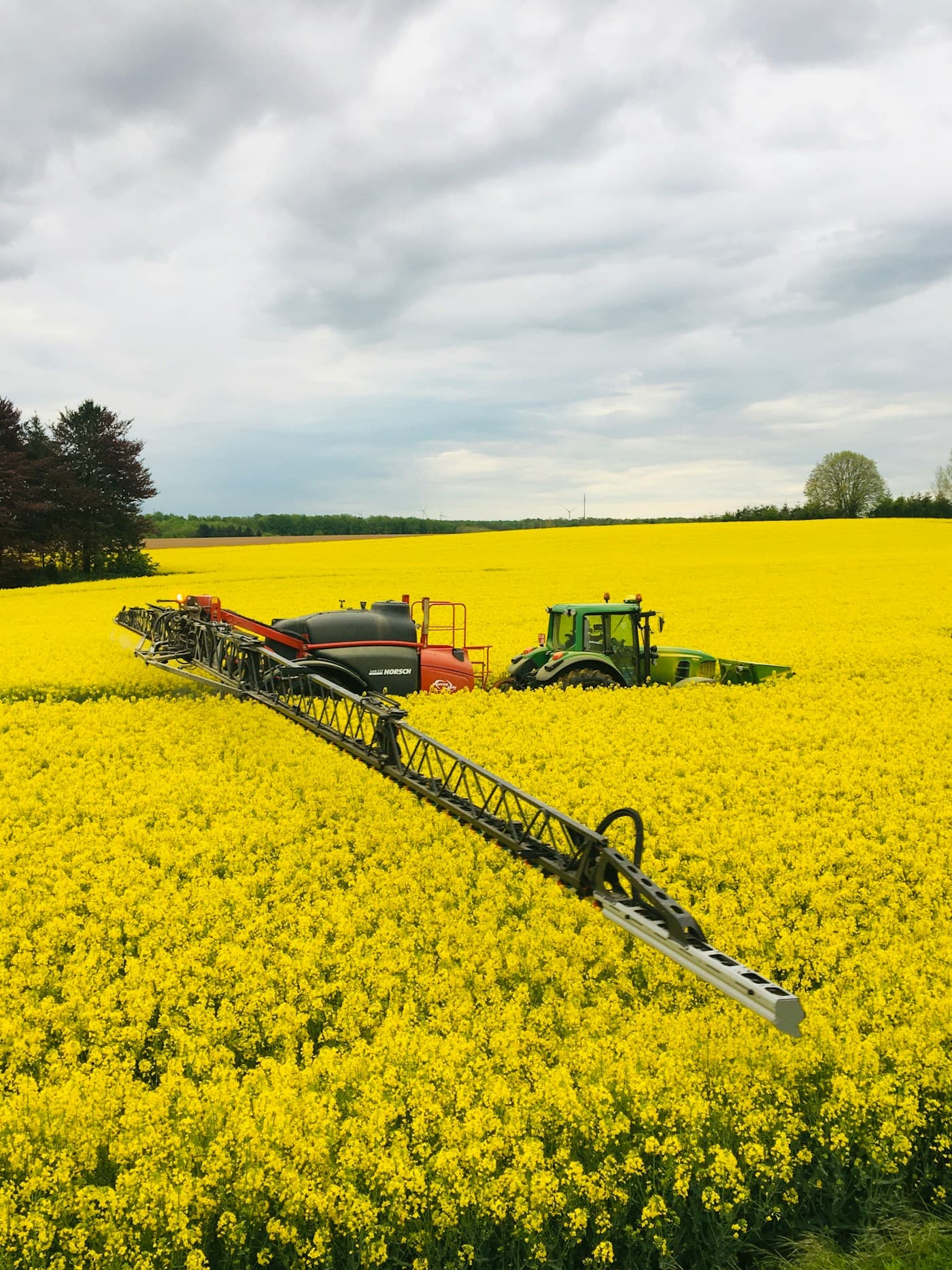
When plants experience these conditions, they often show signs such as slowed growth, weaker leaves, or reduced fruit production.

Supporting Plant Vitality Healthy plants are better able to recover from stress conditions. Supporting plant vitality helps crops maintain balanced metabolism and stable development even when environmental conditions change. Farmers often support plant vitality by: maintaining balanced nutrition monitoring soil conditions providing proper irrigation supporting plant metabolism These practices help crops remain productive throughout the growing season.
The Importance of Crop Monitoring Early identification of plant stress helps farmers respond quickly. Monitoring crop development allows farmers to adjust irrigation, nutrition, or soil management before stress conditions significantly affect yield.
Regular field observation remains one of the most important tools for maintaining crop health.
Tags
Need tailored guidance?
Speak with the Amazing Green team for crop-specific recommendations and partnership support.
Contact Us