

Soil is one of the most important resources in agriculture. Healthy soil supports plant growth by providing nutrients, water, and oxygen to plant roots. When soil conditions are balanced, crops are able to grow more efficiently and maintain consistent productivity. Farmers who invest in maintaining soil health often see improvements in crop performance and long-term land productivity.
Soil as a Living Ecosystem Soil is not simply a physical medium for plant roots. It is a living ecosystem containing minerals, organic matter, microorganisms, and water. These elements work together to support plant development. Healthy soil ecosystems help maintain: nutrient availability biological activity root development soil stability When these elements are balanced, crops are able to grow more efficiently.
Plant roots absorb nutrients and water from the soil environment. When soil conditions are favorable, roots can expand easily and access the nutrients required for plant growth. Healthy root development helps improve: plant stability nutrient absorption water efficiency Supporting root zone conditions is one of the most effective ways to improve crop productivity.
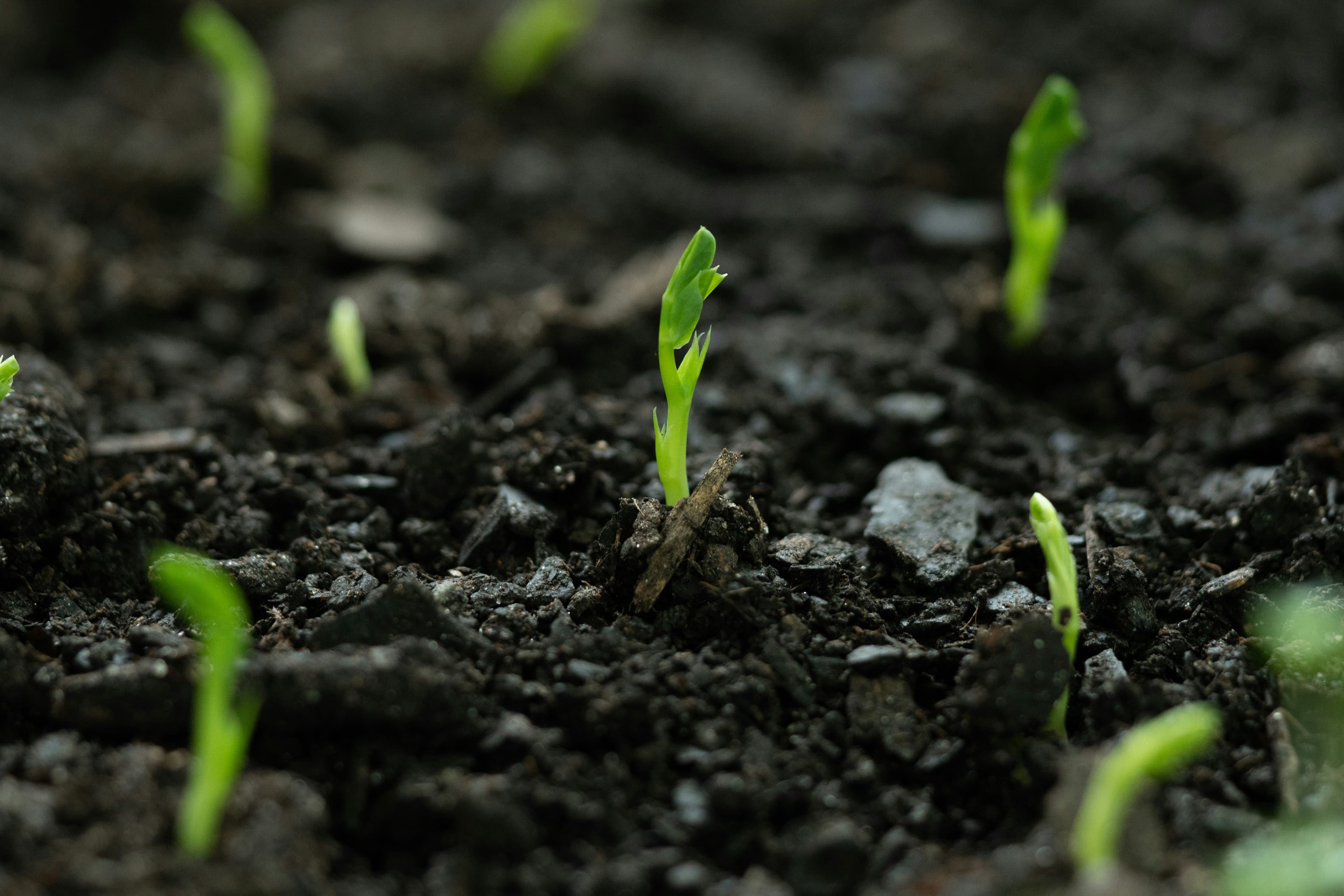
Soil Structure and Water Management Good soil structure allows water and air to move freely through the soil. When soil becomes compacted or degraded, plants may struggle to absorb water and nutrients. Maintaining proper soil structure helps support: water retention air circulation microbial activity Healthy soil structure contributes to long-term agricultural productivity.
Long-Term Benefits of Soil Health Farmers who focus on soil health often experience several long-term benefits. These may include: more stable crop yields improved nutrient efficiency better drought resilience healthier crop development Maintaining soil conditions helps protect farmland and ensures continued productivity for future growing seasons.
Tags
Need tailored guidance?
Speak with the Amazing Green team for crop-specific recommendations and partnership support.
Contact Us