
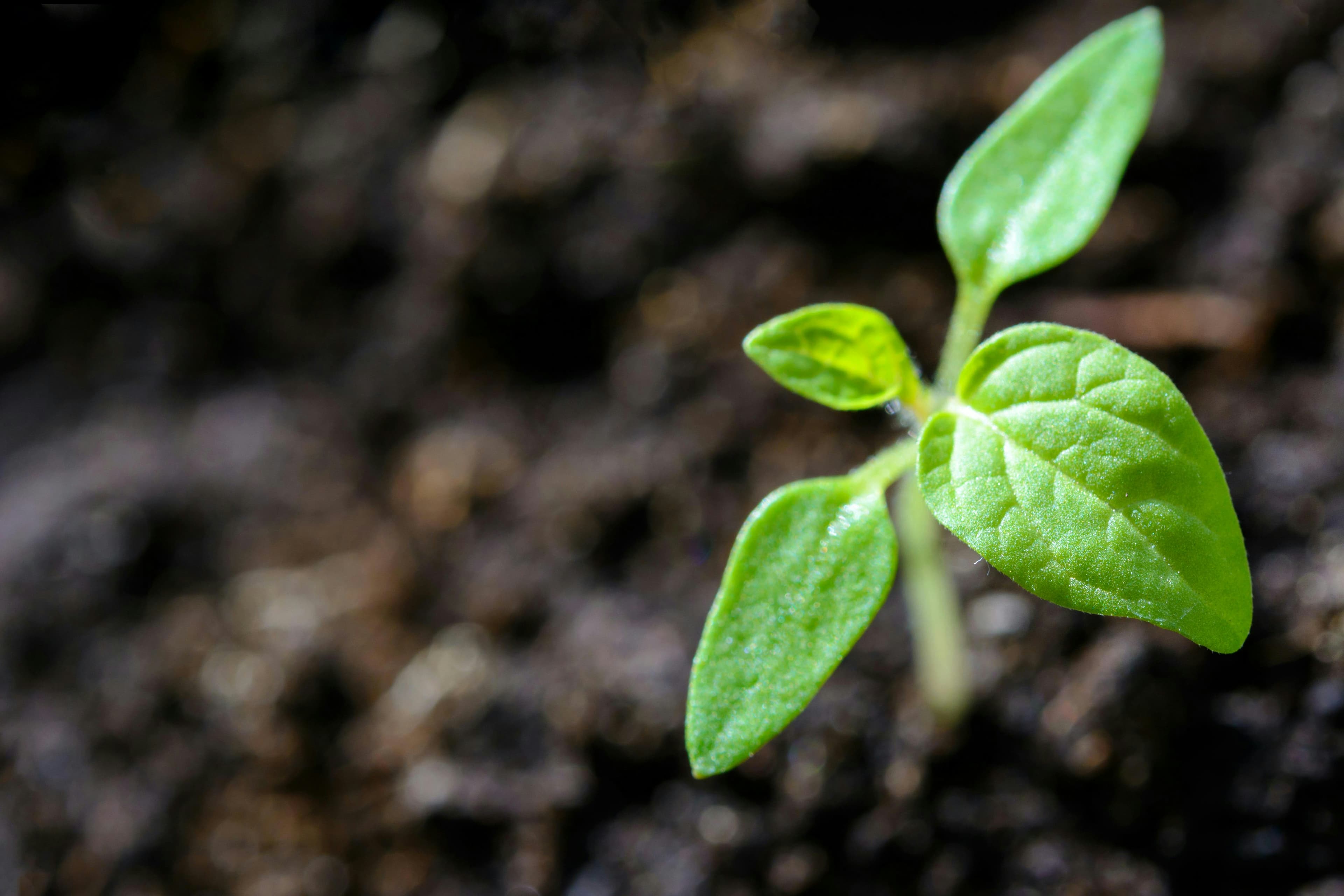
Successful farming depends on careful crop management throughout the growing season. Healthy crops require balanced soil conditions, proper irrigation, and regular monitoring. Farmers who pay close attention to plant development can detect potential problems early and respond quickly. Understanding how to maintain crop health helps farmers protect their harvest and improve productivity.
Monitor Crop Development Regularly Regular crop monitoring helps farmers understand how plants are developing. Observing crop conditions allows farmers to identify early signs of stress, nutrient imbalance, or pest activity. Early detection allows farmers to respond before problems affect crop productivity.
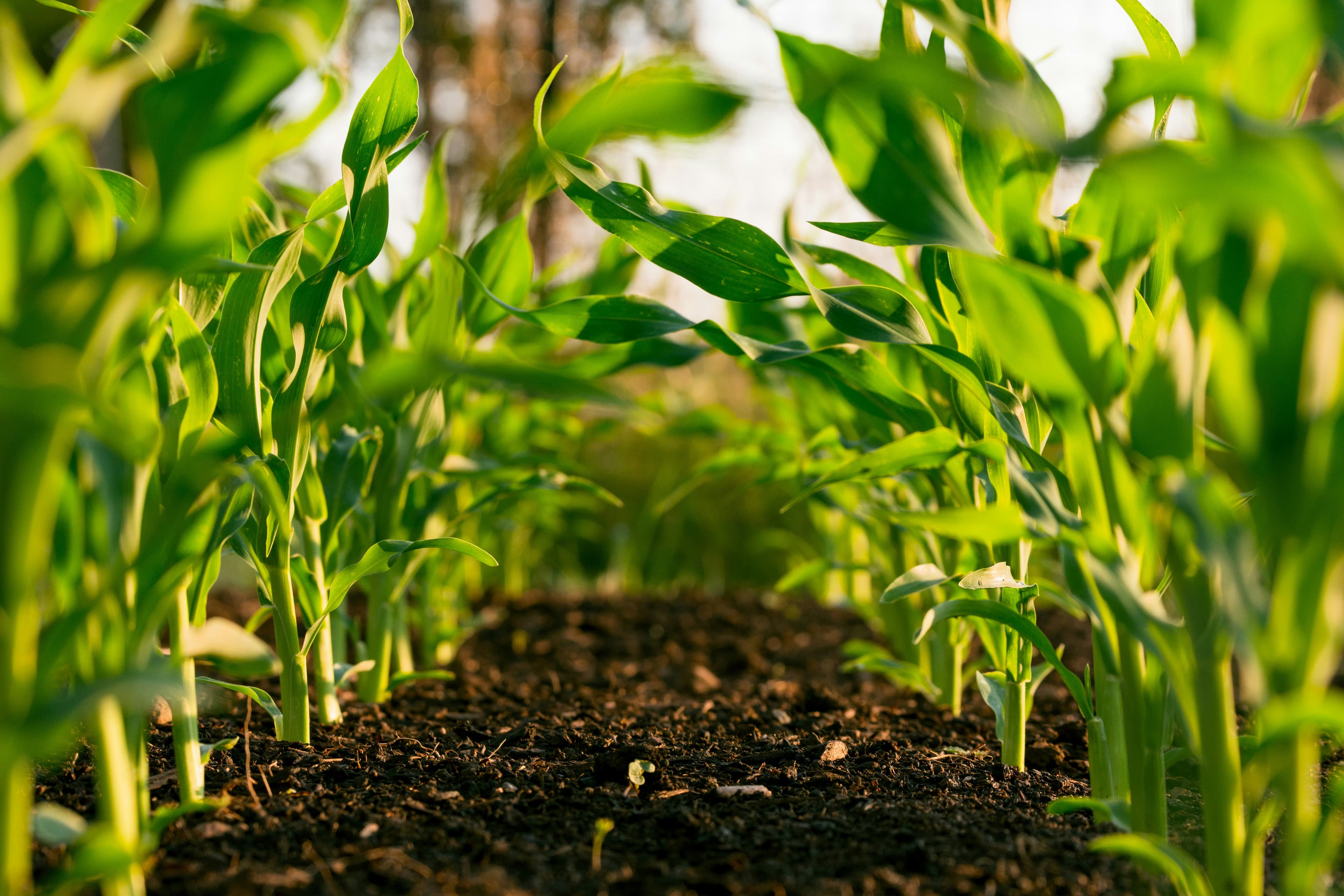
Maintain Balanced Soil Conditions Healthy soil provides the foundation for crop development. Maintaining balanced soil conditions supports root development, nutrient availability, and water retention. Farmers who focus on soil health often achieve more stable crop growth and stronger plants.
Support Plant Vitality Plants may experience environmental stress during the growing season. Maintaining plant vitality helps crops remain stable even when conditions change. Supporting plant vitality helps maintain: stable plant growth balanced metabolism consistent crop performance Healthy plants are better able to adapt to environmental challenges.
Maintain Proper Irrigation Water management is essential for crop health. Both excessive irrigation and insufficient water can affect plant development. Maintaining balanced irrigation helps support: root health nutrient absorption plant stability Monitoring soil moisture helps farmers provide water at appropriate levels.
Tags
Need tailored guidance?
Speak with the Amazing Green team for crop-specific recommendations and partnership support.
Contact Us