
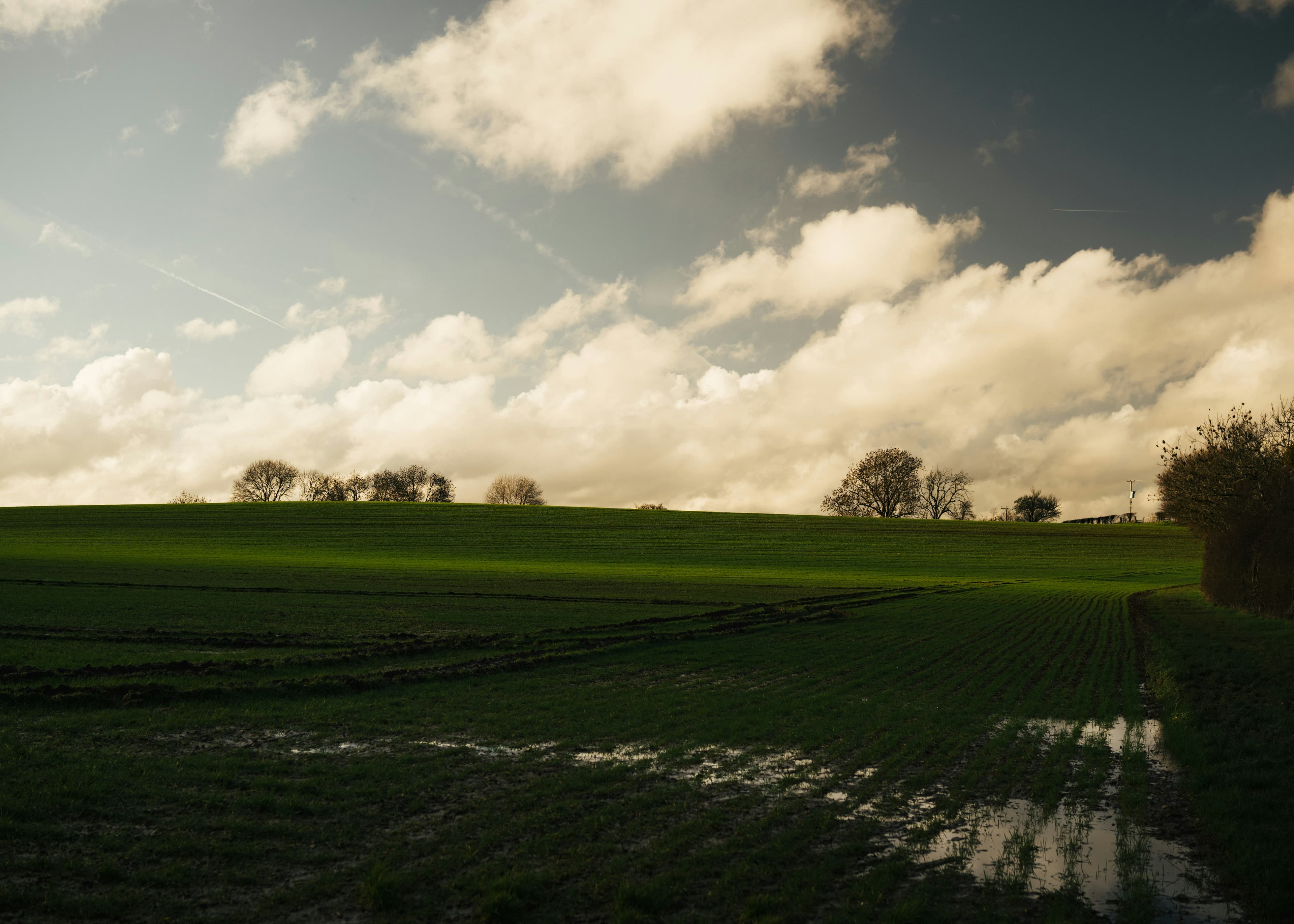
Agriculture is strongly influenced by environmental conditions. Weather patterns, soil moisture, temperature changes, and soil quality all affect how crops grow and develop. Farmers must constantly adapt their crop management strategies to changing environmental conditions. Understanding how environmental factors affect crops helps farmers maintain healthy plant development.
Temperature and Crop Development Temperature plays an important role in plant metabolism. When temperatures are within the optimal range for a crop, plants can grow efficiently and perform biological processes normally. However, extreme heat or cold may slow plant development and affect crop productivity. Monitoring temperature conditions helps farmers adjust irrigation and crop management strategies.
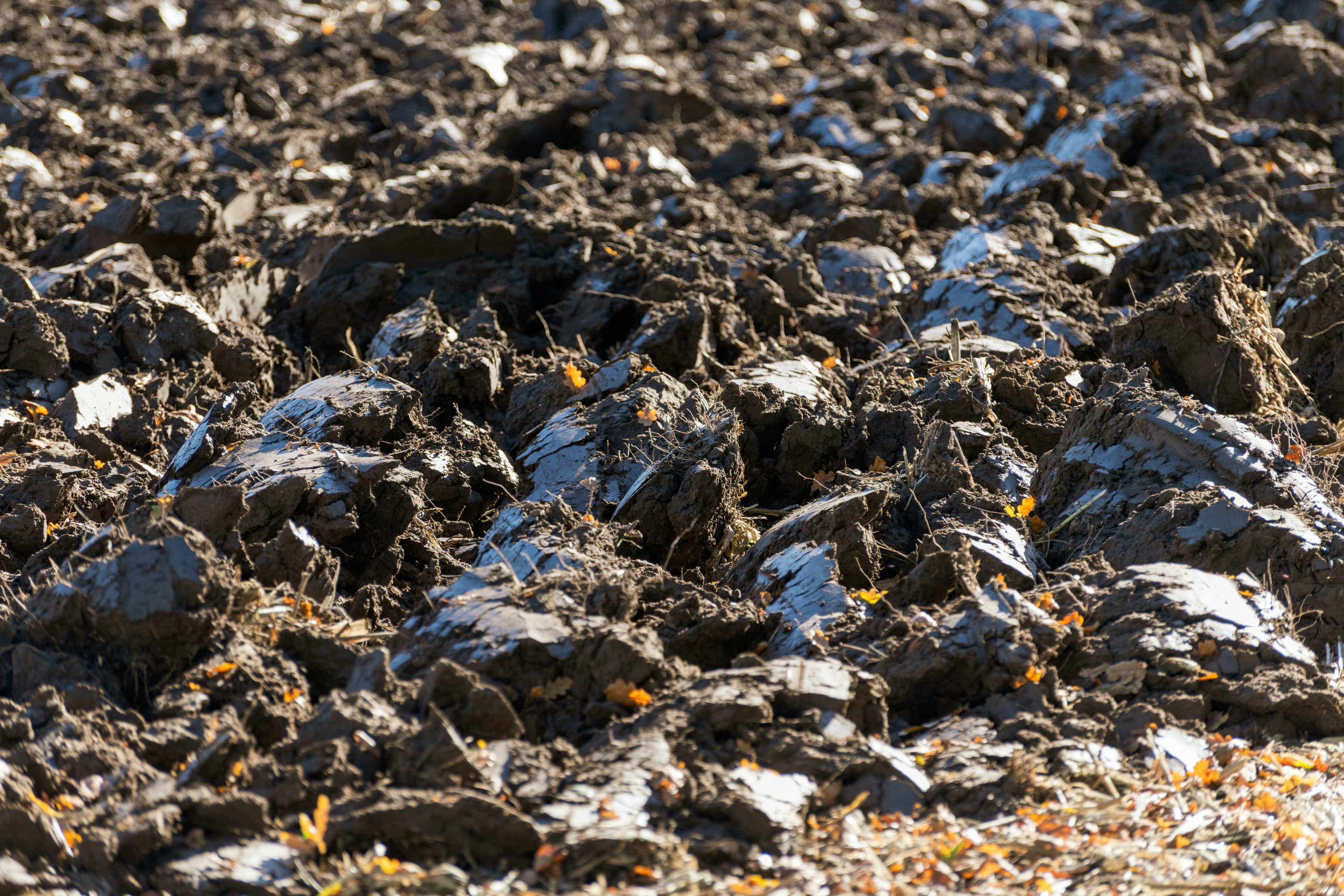
Water Availability and Drought Stress Water is essential for plant development. Insufficient water can lead to drought stress, causing plants to slow their growth and reduce productivity. Maintaining proper irrigation and soil moisture helps crops remain stable during dry conditions. Farmers who monitor water availability can reduce the impact of drought stress.
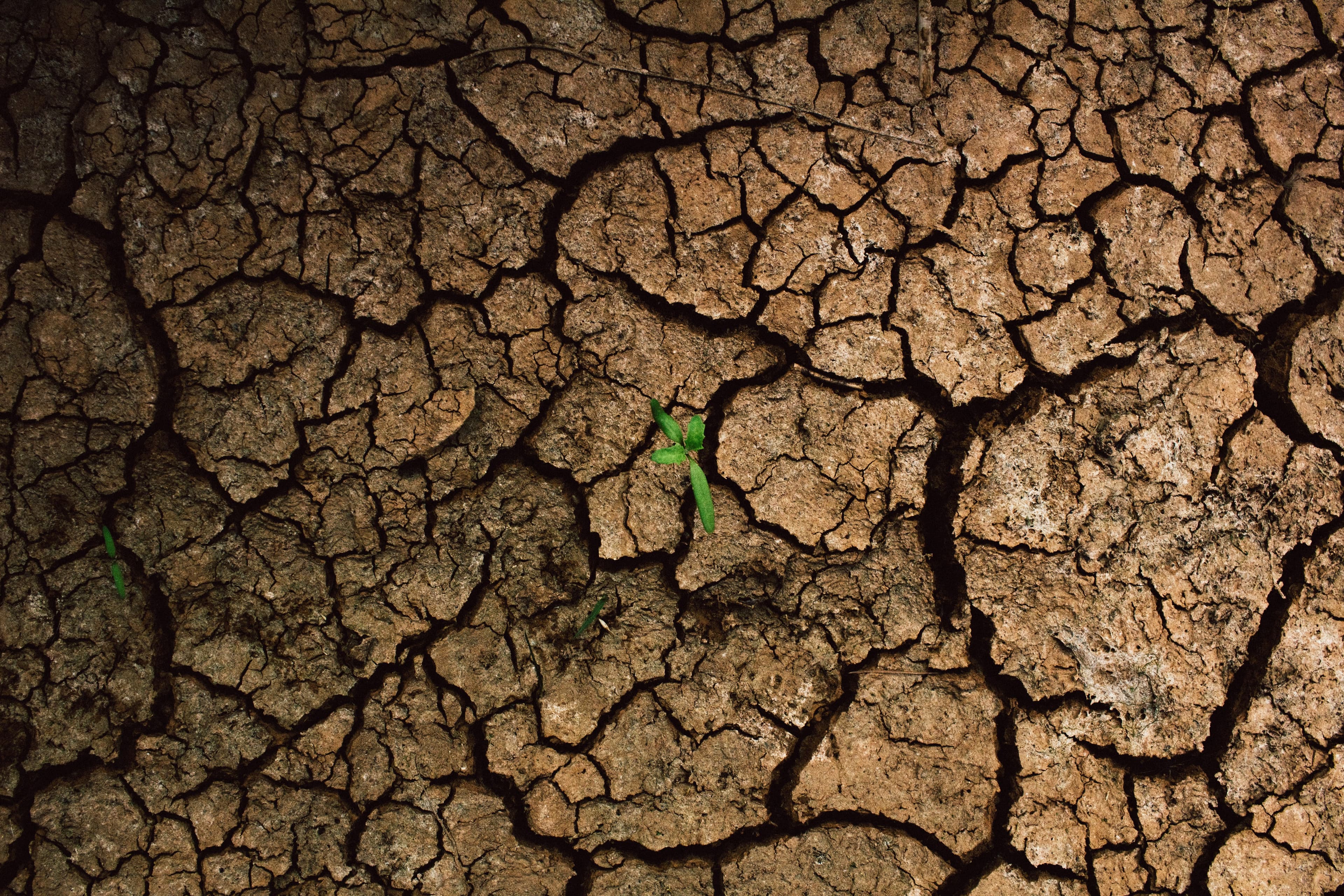
Soil Conditions and Crop Stability Soil quality plays a major role in plant resilience. Healthy soil allows plants to access water and nutrients even during challenging environmental conditions. Supporting soil health helps farmers maintain stable crop growth despite environmental changes. Balanced soil conditions improve root development and nutrient efficiency.
Farmers often manage environmental challenges by maintaining balanced crop management practices. These may include: monitoring crop conditions maintaining soil health supporting plant vitality adjusting irrigation strategies Crops that are well-managed are often more resilient to environmental fluctuations.
Tags
Need tailored guidance?
Speak with the Amazing Green team for crop-specific recommendations and partnership support.
Contact Us