
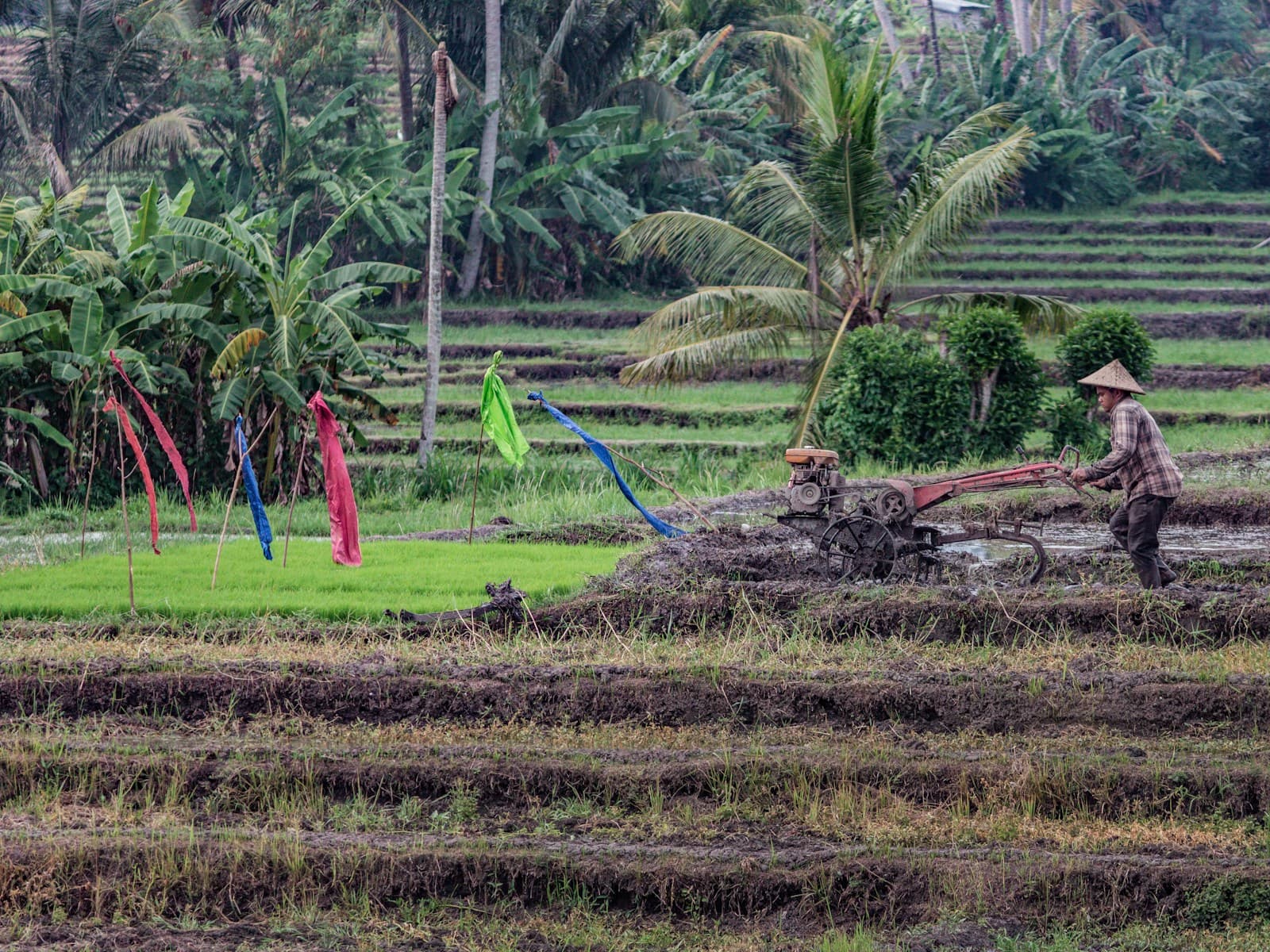
Every crop follows a natural development cycle.
Understanding these growth stages helps farmers provide the right support at the right time. When crops receive balanced care throughout their life cycle, they are more likely to develop strong structures and produce consistent yields. Farmers who understand plant growth stages can make better decisions about crop management, irrigation, and soil care.
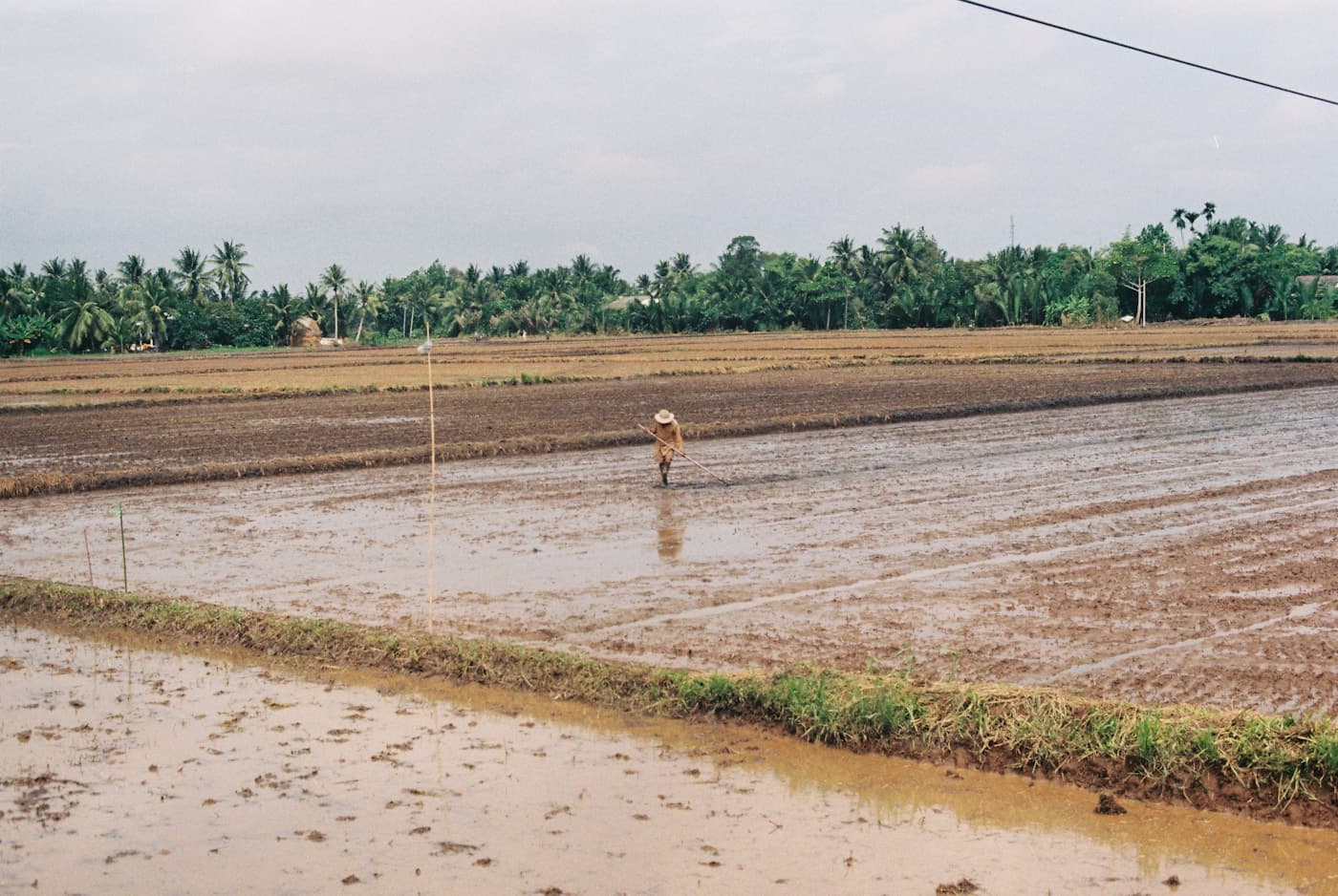
Stage 1 – Seedling Development The first stage of crop development begins when seeds germinate and young plants begin to grow. During this stage, plants develop their first leaves and begin forming root systems that will support future growth. Healthy seedling development depends on: balanced soil conditions adequate water availability stable environmental conditions Supporting crops during this early phase helps establish a strong foundation for later growth.
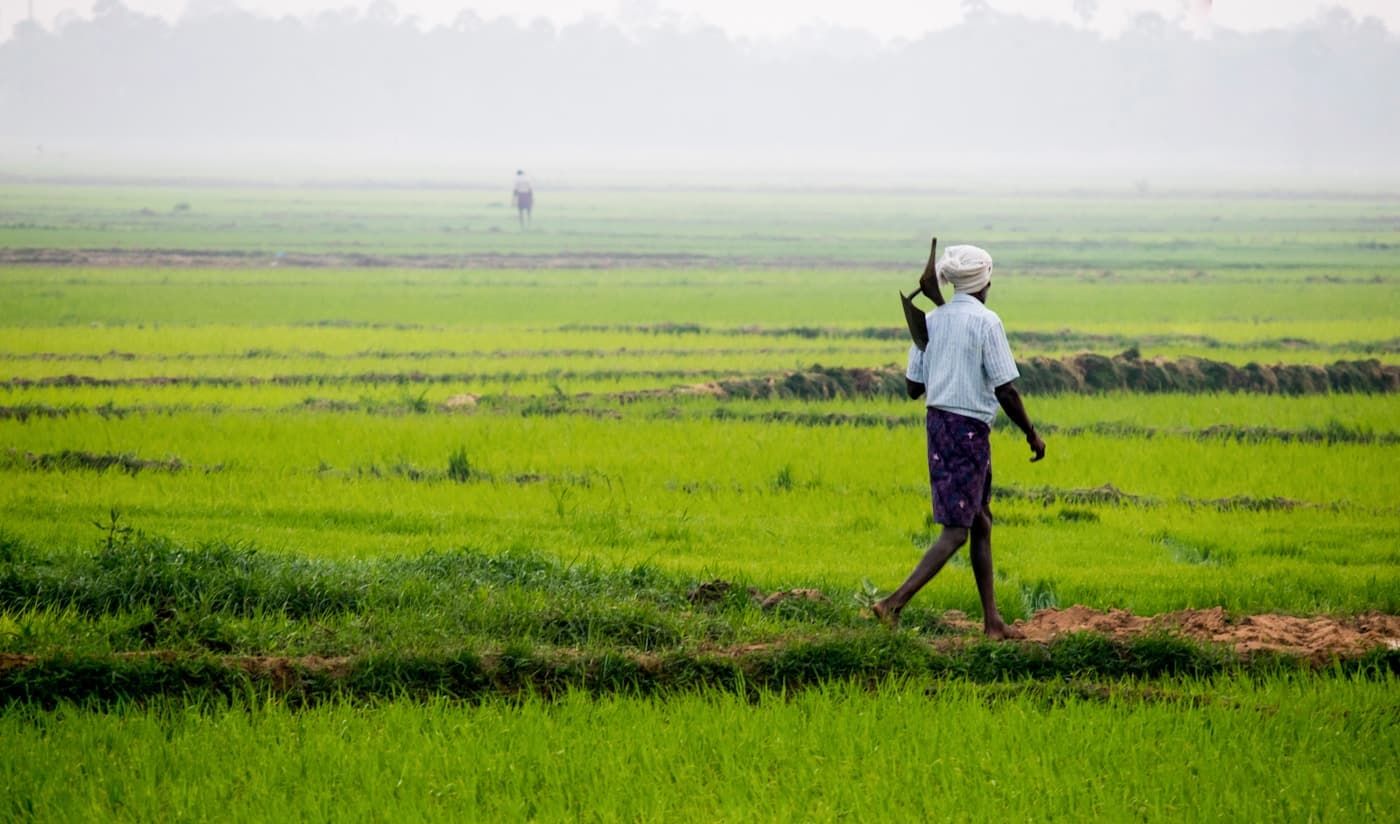
Stage 2 – Vegetative Growth During the vegetative stage, plants focus on developing leaves and stems. This phase is essential because strong vegetative growth increases the plant’s ability to perform photosynthesis and build the structure required for future production. Healthy vegetative development supports:
leaf formation plant structure energy production through photosynthesis Supporting plants during this stage helps maximize their future productivity.
Stage 3 – Plant Vitality and Stability As crops continue developing, they may face environmental challenges such as heat, drought, or soil imbalances. Maintaining plant vitality during this stage helps crops remain stable and continue growing despite changing conditions. Farmers support crop vitality by: monitoring plant health maintaining soil balance supporting plant metabolism Healthy crops are better able to adapt to environmental stress.
Tags
Need tailored guidance?
Speak with the Amazing Green team for crop-specific recommendations and partnership support.
Contact Us