

Crop nutrition plays a critical role in agricultural productivity. However, many crop performance problems are caused not by a lack of fertilizer, but by incorrect fertilizer management. When nutrients are applied at the wrong time or in the wrong way, plants may not be able to absorb them effectively. Understanding common crop nutrition mistakes helps farmers improve plant health and maintain consistent yields.
Applying Nutrients at the Wrong Growth Stage Plants require different types of support at different stages of development. Applying nutrients without considering plant growth stages can reduce their effectiveness. For example, young plants require support for vegetative development, while later growth stages focus on maintaining plant vitality and supporting yield formation. Matching nutrition strategies with plant development helps farmers achieve better results.

Ignoring Soil Health Many farmers focus only on plant nutrition while ignoring soil conditions. However, soil health plays a major role in nutrient availability and root development. Poor soil conditions may limit nutrient absorption even when fertilizers are applied. Supporting soil structure and root zone conditions helps crops absorb nutrients more efficiently.
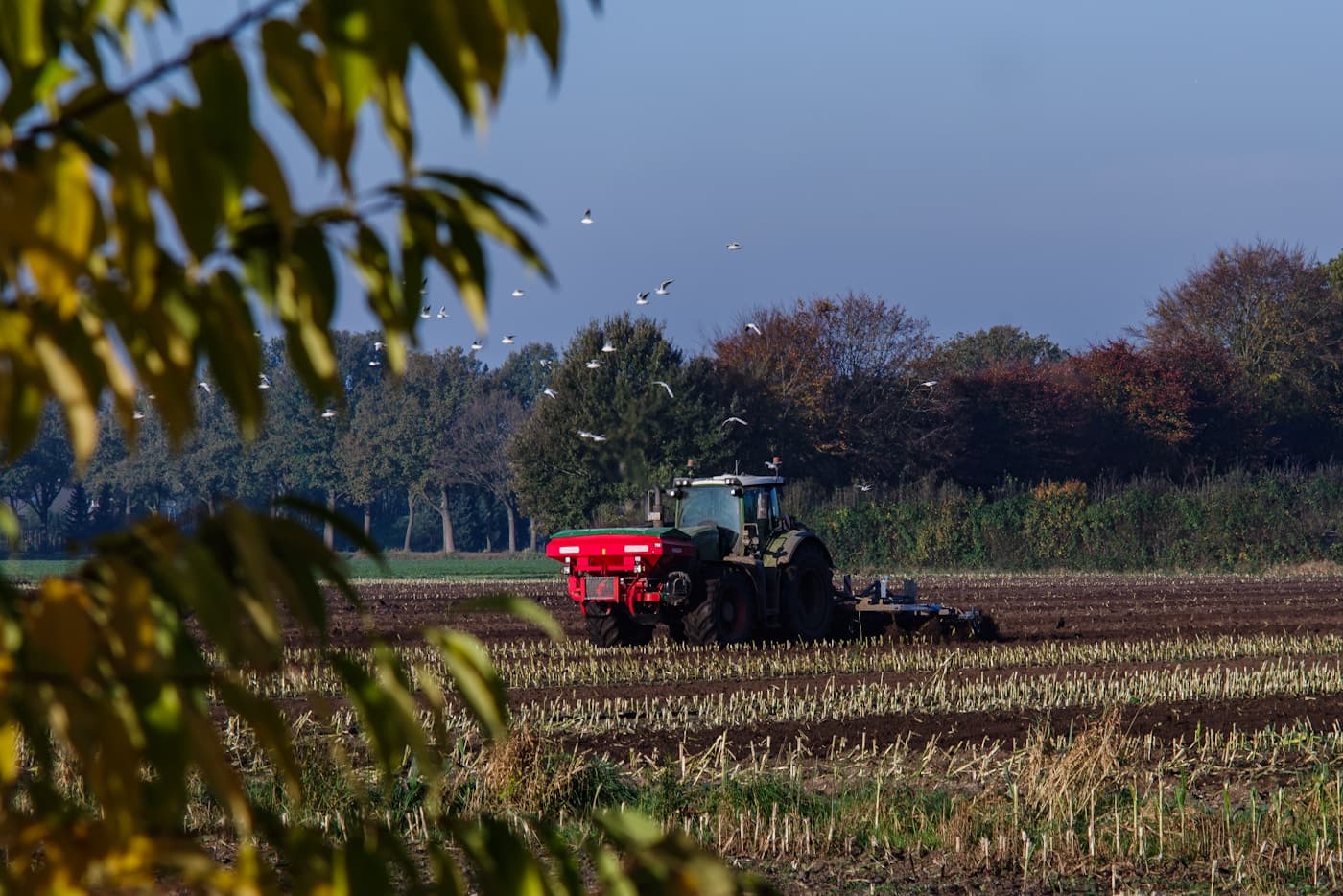
Applying excessive amounts of fertilizer does not always improve crop performance. Overuse of fertilizers may lead to: nutrient imbalances soil degradation plant stress Balanced nutrition strategies help maintain stable crop growth without damaging soil ecosystems.
Lack of Crop Monitoring One of the most common mistakes farmers make is not regularly monitoring crop development. Early signs of nutrient deficiency or plant stress can often be corrected if identified early. Regular field observation allows farmers to adjust crop management strategies before problems become severe.
Tags
Need tailored guidance?
Speak with the Amazing Green team for crop-specific recommendations and partnership support.
Contact Us